Maternal RSV Protection
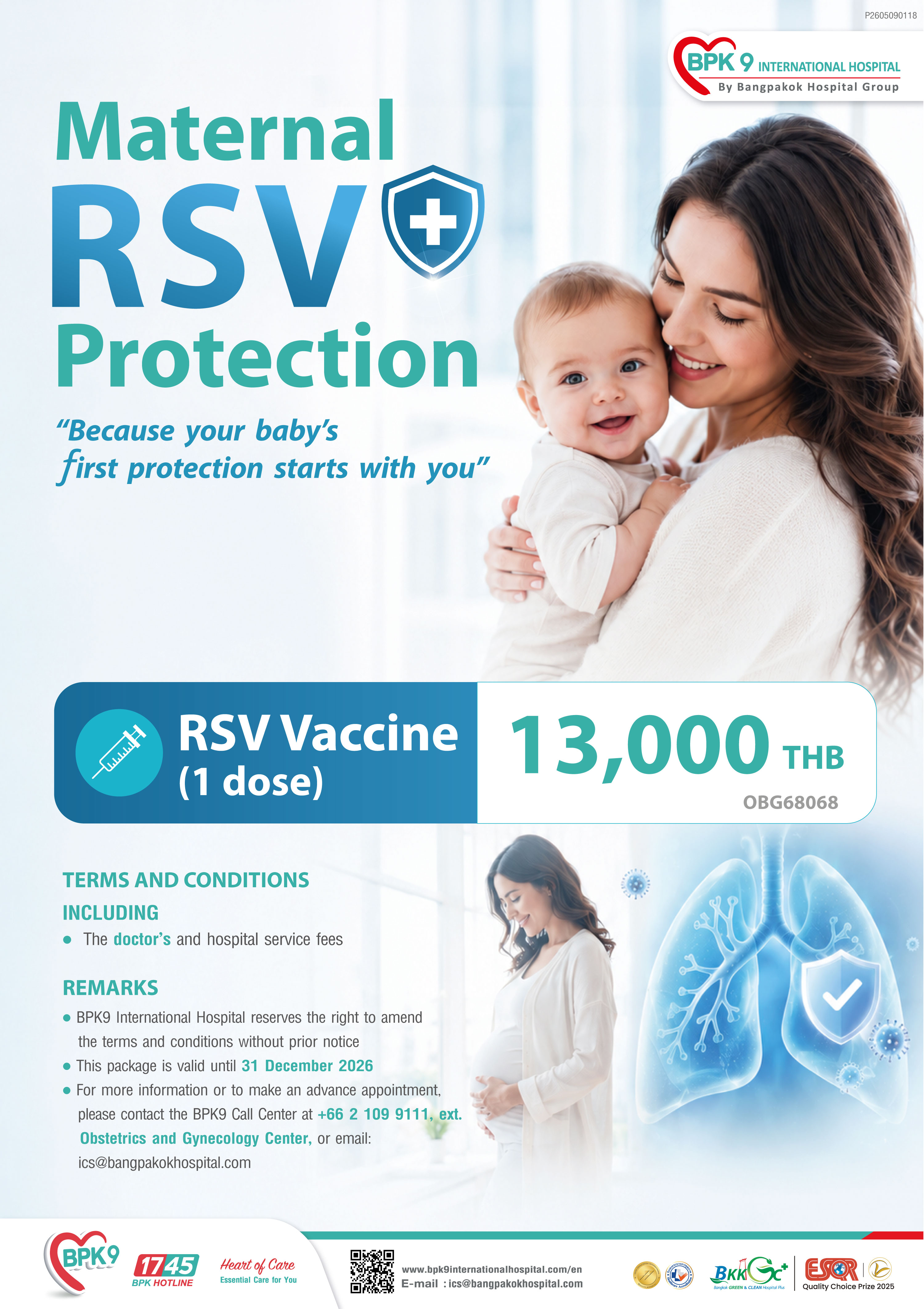
Maternal RSV Protection: Helping Safeguard Your Baby from Birth
Every parent wants to give their baby the healthiest possible start in life. One important way to help protect newborns from serious respiratory illness is through Maternal RSV Protection, a preventive approach that helps reduce the risk of severe Respiratory Syncytial Virus (RSV) infection during the baby's earliest months.
At BPK9 International Hospital, we are committed to supporting mothers and babies with the latest evidence-based preventive healthcare services, including maternal immunization programs designed to protect both mother and child.
What is RSV?
Respiratory Syncytial Virus (RSV) is a common virus that affects the respiratory tract. While RSV often causes mild cold-like symptoms in adults and older children, it can lead to serious illness in infants, especially during their first six months of life.
RSV is one of the leading causes of:
- Bronchiolitis (inflammation of the small airways in the lungs)
- Pneumonia
- Hospitalization in young infants
- Severe respiratory complications in high-risk babies
What is Maternal RSV Protection?
Maternal RSV Protection refers to administering an RSV vaccine during pregnancy to help the mother's body produce protective antibodies against RSV.
These antibodies are naturally transferred through the placenta to the developing baby before birth, providing passive protection during the first months of life when infants are most vulnerable to severe RSV infection.
This approach helps protect newborns before they are old enough to develop their own immunity against many respiratory infections.
Why is Maternal RSV Protection Important?
Newborn babies have immature immune systems and are at a higher risk of developing severe complications from RSV.
Maternal RSV Protection helps:
- Reduce the risk of severe RSV-related illness in infants
- Lower the likelihood of hospitalization due to RSV infection
- Provide protection during the baby's most vulnerable early months
- Offer peace of mind for parents during RSV season
- Support healthier outcomes for newborns and young infants
How Does Maternal RSV Vaccination Work?
When a pregnant woman receives the RSV vaccine during the recommended stage of pregnancy, her immune system produces antibodies against the virus.
These protective antibodies cross the placenta and enter the baby's bloodstream before birth. After delivery, the baby carries these antibodies, helping defend against RSV infection during the critical first months of life.
Who Should Consider Maternal RSV Protection?
Maternal RSV vaccination may be recommended for pregnant women according to current medical guidelines and individual clinical assessment.
Your healthcare provider will evaluate:
- Gestational age
- Expected delivery date
- Seasonal RSV activity
- Maternal health status
- Individual risk factors
A consultation with an obstetrician can help determine whether maternal RSV protection is appropriate for you.
Is Maternal RSV Vaccination Safe?
Maternal immunization has been widely used for years to protect mothers and infants against certain infectious diseases. RSV vaccination during pregnancy has undergone extensive clinical evaluation to assess its safety and effectiveness.
As with any vaccine, recommendations are based on current scientific evidence and guidance from health authorities. Patients should discuss any questions or concerns with their healthcare provider.
Heart of Care, Essential Care for You